• Link to Facebook
  • Link to LinkedIn
  • Link to TikTok
  • Link to Youtube
  • Link to Instagram
PHONE: 1-888-2-OKSEWER | EMAIL: info@sewerlawyers.com
Sewer Lawyers
  • Do I Have A Case
  • Contact
  • Who We Are
  • Media
  • Law Center
  • Blog
  • Buxton Trial Lawyers
  • Menu Menu

Tag Archive for: #1LawyerInThe2Business

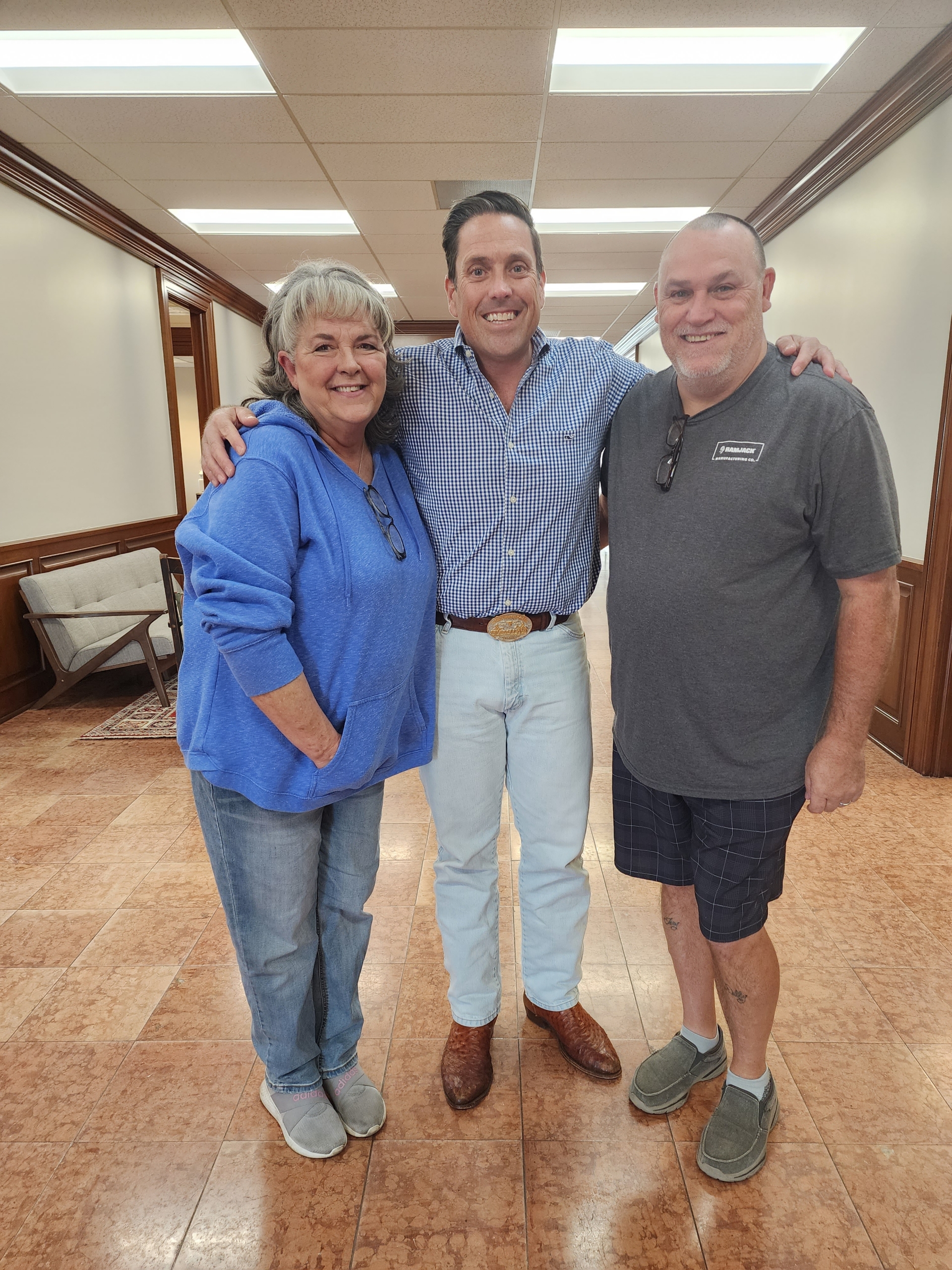
The Calvert’s Story: Calvert vs. the City of Wewoka

July 13, 2026/in Client Success Stories/by Kneely Buxton

Wewoka, Oklahoma:

When Terry and Debby Calvert’s home in Wewoka, Oklahoma was flooded with raw sewage, they were left dealing with much more than a plumbing problem. The sewer backup caused significant property damage, disrupted their daily lives, and created serious health hazards for their family. Even worse, this was not an isolated event—their home experienced multiple sewer backups over just a few months.

After a thorough investigation, it became clear that the flooding was caused by the City’s failure to properly operate and maintain its municipal sewer system. When a city neglects its sewer infrastructure, homeowners can suffer devastating losses through no fault of their own.

Rather than accepting the damage and the City’s response, Terry and Debby turned to Oklahoma Sewer Lawyers. Attorney Jim Buxton and our legal team investigated the cause of the sewer backups, gathered evidence of the City’s negligence, and fought to hold the municipality accountable.

Through determined advocacy and extensive investigation, we successfully resolved the case and secured a favorable settlement for our clients. While every case is different, it is possible for cities to be held responsible when their negligence causes sewer backups, raw sewage flooding, and property damage. 

If your home or business has experienced a sewer backup in Oklahoma, you may have legal rights under Oklahoma law. Don’t assume the City has the final word. An experienced Oklahoma sewer backup attorney can investigate your claim and help you pursue the compensation you deserve.

At Oklahoma Sewer Lawyers, we are committed to helping families across Oklahoma recover after devastating sewer backups caused by failing municipal infrastructure. We understand the physical, emotional, and financial toll these events take, and we fight to obtain justice for every client we represent.

Need Help After a Sewer Backup?

If your home or business has been damaged by a sewer backup, raw sewage flooding, or city negligence, contact Jim Buxton and Oklahoma Sewer Lawyers today for a free consultation.

Office: (405) 604-5577

Email: oksewerlawyers@gmail.com

https://sewerlawyers.com/wp-content/uploads/2026/07/Calvert-v.-City-of-Wewoka-scaled.jpg 2560 1920 Kneely Buxton https://sewerlawyers.wpengine.com/wp-content/uploads/2022/09/265942136_1500923250291212_5401206537950737396_n-e1663788876790.png Kneely Buxton2026-07-13 14:56:052026-07-13 14:56:05The Calvert’s Story: Calvert vs. the City of Wewoka

Why Sewer Systems Fail

July 8, 2026/in Sewer Education/by Kneely Buxton

Why Sewer Systems Actually Fail:

Every day, millions of gallons of wastewater flow through an underground network of sewer pipes that most of us never think about. Hidden beneath our streets, these systems quietly transport wastewater away from homes, businesses, schools, and hospitals, making modern life possible.

Because sewer systems operate out of sight, it’s easy to assume they’ll always work as intended. But like any piece of infrastructure, sewer systems age, wear down, and occasionally fail. When they do, the consequences can be significant—from sewage backups inside homes to environmental contamination and costly repairs for entire communities.

So, what actually causes a sewer system to fail?

The answer is rarely simple. In many cases, sewer failures result from a combination of aging infrastructure, environmental conditions, increasing demand, and years of wear and tear. Below are some of the most common factors that can contribute to municipal sewer system failures.

You can read more about the warning signs of a failing sewer system here: https://sewerlawyers.com/signs-your-sewer-line-is-about-to-fail-oklahoma-sewer-lawyers/

City Negligence Can Cause Sewer Backups:

While many sewer system failures result from aging infrastructure, severe weather, or other unavoidable conditions, there are circumstances in which a municipality’s negligence may contribute to a sewer backup.

Cities are generally responsible for operating, maintaining, and repairing the public sewer systems under their control. When routine maintenance is neglected, known problems go unaddressed, or necessary repairs are unreasonably delayed, the risk of sewer system failures may increase. If those failures result in damage to private property, questions regarding municipal liability may arise.

Determining whether a municipality acted negligently requires a careful investigation of the specific facts surrounding the incident. Maintenance records, inspection reports, repair histories, engineering evaluations, and other evidence may all play an important role in evaluating whether a city’s actions—or failure to act—contributed to a sewer backup.

Not every sewer backup is the result of municipal negligence. However, when a homeowner believes a city’s failure to properly maintain or operate its sewer system contributed to the damage, it is important to have the circumstances of the incident thoroughly evaluated.

Aging Infrastructure:

Many sewer systems across the United States were installed decades ago, and some portions of these underground networks remain in service well beyond their intended lifespan. As pipes age, they become more vulnerable to cracking, corrosion, shifting soil, and structural deterioration. Over time, these conditions can reduce the system’s ability to transport wastewater efficiently and increase the likelihood of failures.

Tree Root Intrusion:

Tree roots naturally seek moisture, making underground sewer pipes an attractive source of water. Even small cracks or loose joints can provide enough space for roots to enter the pipe. As they continue to grow, roots can restrict wastewater flow and, in some cases, cause significant structural damage that requires extensive repairs.

Grease, Debris, and Improper Disposal:

Although municipal sewer systems are designed to carry wastewater, they are not designed to handle cooking grease, disposable wipes, paper towels, hygiene products, and other non-flushable materials. When these items accumulate inside sewer lines, they can create blockages that reduce the system’s capacity and interfere with the normal flow of wastewater.

Heavy Rainfall:

During periods of heavy rainfall, older sewer systems may experience a dramatic increase in the amount of water entering the system. Groundwater and stormwater can infiltrate aging pipes through cracks or deteriorated joints, placing additional strain on infrastructure that may already be operating near capacity. When the volume exceeds what the system can handle, sewer backups and overflows become more likely.

Population Growth:

Communities continue to grow, but sewer infrastructure doesn’t always grow with them. As more homes and businesses connect to an aging sewer system, the increased demand can place additional stress on infrastructure that was originally designed to serve a much smaller population.

Why Does This Matter?

A properly functioning sewer system is one of the most important pieces of public infrastructure in any community. Although these systems often go unnoticed, they play a vital role in protecting public health, preserving the environment, and safely transporting wastewater every day.

Understanding why sewer systems fail provides valuable insight into the challenges municipalities face and helps homeowners better understand the complex infrastructure operating beneath their communities.

Office Phone: (405)-604-5577

Email: oksewerlawyers@gmail.com

https://sewerlawyers.com/wp-content/uploads/2026/07/Screenshot-2026-07-13-at-1.37.48-PM.png 348 1118 Kneely Buxton https://sewerlawyers.wpengine.com/wp-content/uploads/2022/09/265942136_1500923250291212_5401206537950737396_n-e1663788876790.png Kneely Buxton2026-07-08 16:05:282026-07-13 18:38:23Why Sewer Systems Fail

What Is Municipal Liability? Know The Laws

July 8, 2026/in Know The Laws/by Kneely Buxton

What Is Municipal Liability?

When a municipal sewer system fails in Oklahoma, homeowners can suffer devastating property damage, costly repairs, and major disruptions to daily life. Many people ask the same question after a sewer backup: Can the city be held responsible?

The answer depends on the doctrine of municipal liability.

Municipal liability is the legal principle under which a city, town, or other governmental entity may be held legally responsible for injuries or property damage resulting from its negligence. While municipalities are responsible for the operation, maintenance, and repair of public infrastructure—including sanitary sewer systems—they are not automatically liable every time a sewer backup occurs. Rather, liability depends upon the specific facts of the incident and the application of Oklahoma law.

Common Examples Of Municipal Liability:

  • Sewer backups caused by blocked city sewer mains
  • Broken municipal sewer lines
  • Failure to maintain lift stations
  • Repeated sewer overflows after prior complaints
  • Negligent inspection or maintenance
  • Flooding caused by municipal infrastructure failures

Understanding Municipal Liability

Municipalities have a duty to exercise reasonable care in the operation and maintenance of public infrastructure under their control. When that duty is breached, and the breach directly results in property damage, a municipality may be subject to liability under applicable state law.

In the context of sewer backup litigation, claims often involve allegations that a municipality failed to properly inspect, maintain, repair, or operate components of its sanitary sewer system. Determining whether those failures occurred requires a careful factual and legal analysis.

Establishing Municipal Liability

Not every sewer backup gives rise to a claim against a municipality. Establishing municipal liability generally requires evidence demonstrating that the governmental entity’s conduct—or failure to act—contributed to the sewer backup and the resulting damages.

Depending on the circumstances, that analysis may involve reviewing:

  • Municipal maintenance and inspection records
  • Sewer system repair history
  • Engineering reports and expert evaluations
  • Photographs and documentation of the damage
  • Witness statements and other relevant evidence

Because sewer backup claims frequently involve both complex infrastructure issues and governmental liability laws, a thorough investigation is often essential to determining the cause of the loss.

Read More About Suing Your City For A Backup Here: https://sewerlawyers.com/can-i-sue-a-city-for-a-sewer-backup-2/

Why Claims Against Municipalities Are Different

Claims involving governmental entities differ significantly from ordinary negligence claims against private individuals or businesses. Oklahoma law establishes specific procedures, notice requirements, and statutory deadlines that may apply before a claim can proceed.

Failure to comply with these legal requirements may affect a homeowner’s ability to pursue compensation, making it important to seek legal guidance promptly after discovering a sewer backup.

Experienced Representation Matters

Municipal sewer backup cases often require more than simply documenting property damage. They frequently involve analyzing public records, evaluating the operation of municipal sewer infrastructure, consulting with engineering experts, and navigating the legal framework governing claims against governmental entities.

At Oklahoma Sewer Lawyers, our attorneys have extensive experience representing homeowners whose properties have been damaged by municipal sewer failures throughout Oklahoma. We understand the complexities of these cases and are committed to helping our clients evaluate their legal rights and pursue the compensation they may be entitled to under the law.

If your home has been damaged by a municipal sewer backup, don’t wait to understand your rights. Oklahoma Law places strict deadlines on claims against cities and towns. Contact Oklahoma Sewer Lawyers today for a free consultation and let our experienced attorneys evaluate your case.

Office Phone: (405)-604-5577

Email: oksewerlawyers@gmail.com

https://sewerlawyers.com/wp-content/uploads/2022/09/Screen-Shot-2022-09-22-at-11.01.24-AM-e1663863715541.png 1605 2879 Kneely Buxton https://sewerlawyers.wpengine.com/wp-content/uploads/2022/09/265942136_1500923250291212_5401206537950737396_n-e1663788876790.png Kneely Buxton2026-07-08 15:44:562026-07-08 15:44:56What Is Municipal Liability? Know The Laws

Protect Yourself: Frequently Asked Questions

July 7, 2026/in Protect Yourself/by Kneely Buxton

A sewer backup can happen unexpectedly, leaving homeowners with many questions, like these:

Can I stay in My Home After a Sewer Backup?

Staying in your home after a sewer backup depends on the extent of the damage. If raw sewage has entered your physical home, it’s often the safest option to leave the affected areas if you are able too. Raw sewage is a Category 3 Biohazard, it is very hazardous, toxic, and unsafe to be around, so please take precautions to stay safe and have the affected areas professionally cleaned and and deemed safe before re-entering.

Should I Call My Insurance Company or the City First?

If you believe the backup was indeed caused by your city’s sewage system, then notify both your insurance company (if you have one) and the city where the flood happened as soon as possible. Immediately then, contact Oklahoma Sewer Lawyers to talk to one of our highly trained professionals about your situation. By reporting the incident and contacting professionals early, you are able to protect yourself, your family, and also create a record of the flood and damage that occurred. 

Should Throw Away My Damaged Belongings?

If your items have sewage and cannot be recovered you can throw them away, but take photos and videos of the damages first, and if you do choose to throw things away, avoid doing that  until the flood has been properly documented. This helps you to be able to recover or be compensated for your items in the future.

Is It Safe to Clean Up Raw Sewage Myself?

Because raw sewage can contain harmful bacteria and contaminants, professional cleanup is usually the safest option. Be careful to not ingest or contaminate your eyes, mouth, or nose with the sewage. Again, raw sewage is a Category 3 Biohazard and contains dangerous pathogens like E. coli, Salmonella, Hepatitis A, and Norovirus [0.38]. Please keep this in mind when deciding how to have the flood cleaned.

What Should I Do First After a Sewer Backup?

Document the damage, contact your insurance company, notify the city if you believe it is their fault, and save receipts for any cleanup or temporary living expenses. Document Everything!!

Still Have Questions?

Every sewer backup is different, and can be confusing and overwhelming. That is why Oklahoma Sewer Lawyers is here to help you. If you been a victim of a sewer flood caused by the cities negligence and you have questions or believe your city’s sewer system may be responsible for a flood on your property, please contact Oklahoma Sewer Lawyers! Our priority is to provide you and your family the justice you deserve. 

No family should have to endure a sewer backup while searching for answers! If your home, or business has been flooded by the negligence and failing infrastructure of the city, Jim Buxton of Oklahoma Sewer Lawyers is here to help you. Oklahoma Sewer Lawyers is committed to helping families all across Oklahoma get the justice they deserve! 

Has your home been flooded by sewage? Are you seeking answers and justice? Contact the Oklahoma Sewer Lawyers today! 

Office Phone: (405)-604-5577

Email: oksewerlawyers@gmail.com

https://sewerlawyers.com/wp-content/uploads/2022/09/Screen-Shot-2022-09-22-at-11.01.24-AM-e1663863715541.png 1605 2879 Kneely Buxton https://sewerlawyers.wpengine.com/wp-content/uploads/2022/09/265942136_1500923250291212_5401206537950737396_n-e1663788876790.png Kneely Buxton2026-07-07 19:25:492026-07-07 19:44:23Protect Yourself: Frequently Asked Questions

The Guinns Story: Guinns VS City of Oklahoma

July 2, 2026/in Client Success Stories/by Kneely Buxton

Oklahoma City, Oklahoma :

Justin Guinn and Katherine Grasham endured years of repeated sewer backups at their Oklahoma City home. Despite making multiple service calls to the City, the problem continued, culminating in a devastating sewage flood that damaged their basement in September 2020.

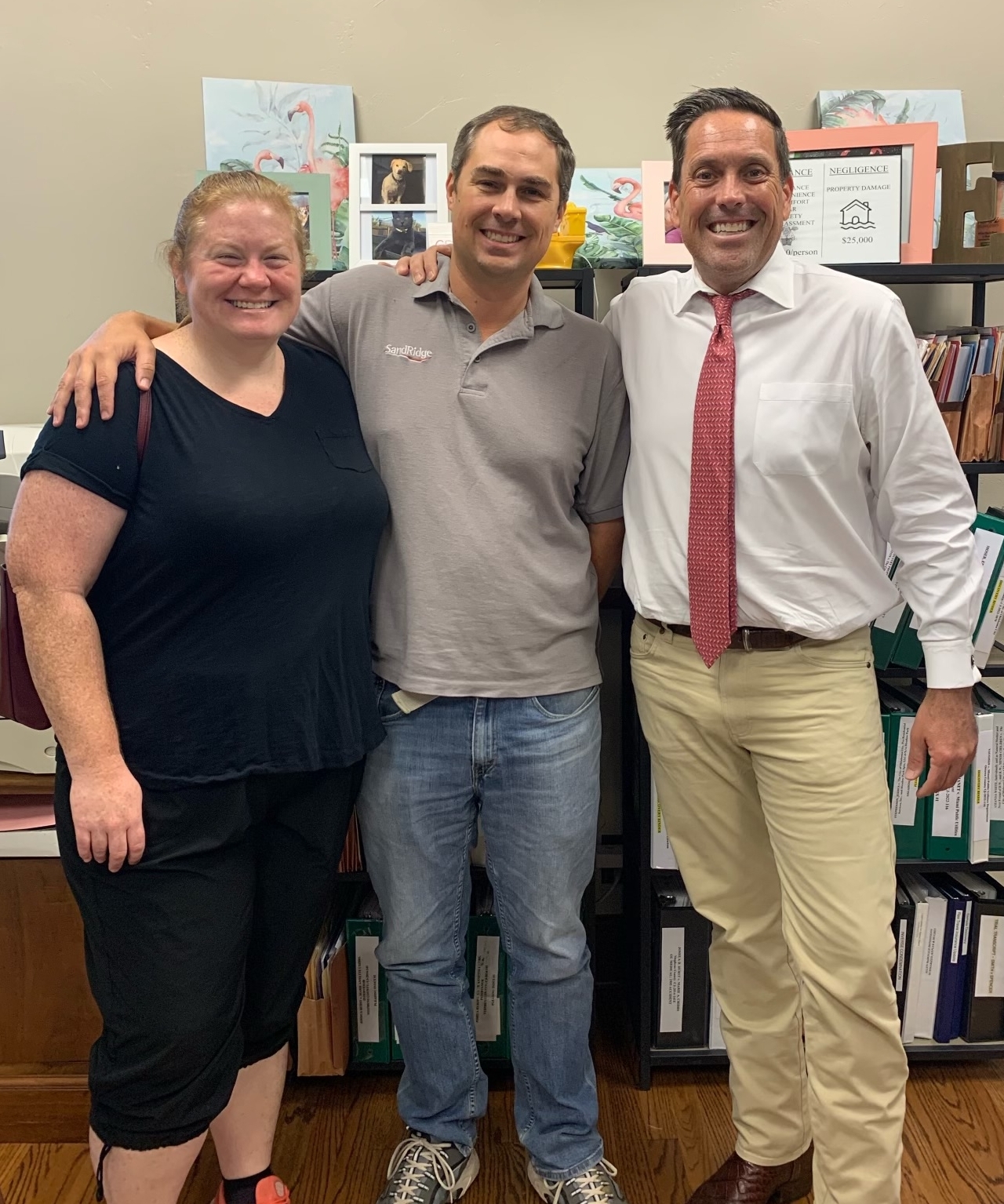
The Guinn’s with Oklahoma Sewer Lawyer Jim Buxton

After the City claimed there was no blockage in its sewer main, the homeowners hired a private plumber at their own expense. The investigation revealed the true problem—the city’s sewer main had collapsed years earlier. Although the City eventually repaired the main, it improperly reconnected the home’s sewer service line without the homeowners’ knowledge, leading to another sewage backup in February 2021. The family was forced from their home for several weeks, paid for additional plumbing repairs themselves, and was left with damaged property after the City failed to fully restore it.

Justin and Katherine turned to Oklahoma Sewer Lawyer Jim Buxton, who filed suit against the City of Oklahoma City, alleging negligence and other claims arising from the repeated sewer backups and the City’s mishandling of the repairs. By holding the City accountable, they fought for the justice and compensation they deserved after years of avoidable damage.

If your home has been flooded with raw sewage because of a city’s negligence, you don’t have to face it alone. Oklahoma Sewer Lawyers has helped homeowners across Oklahoma hold municipalities accountable and recover the compensation they deserve.

No family should have to endure sewer backups while searching for answers! If your home has been flooded by the negligence and failing infrastructure of the city, Jim Buxton of Oklahoma Sewer Lawyers is here to help you. Oklahoma Sewer Lawyers is committed to helping families all across Oklahoma get the justice they deserve!

Has your home been flooded by sewage? Are you seeking answers and justice? Contact Oklahoma Sewer Lawyers today! 

Office Phone: (405)-604-5577

Email: oksewerlawyers@gmail.com

https://sewerlawyers.com/wp-content/uploads/2023/10/IMG_4694-rotated-e1696882012784.jpeg 1535 1280 Kneely Buxton https://sewerlawyers.wpengine.com/wp-content/uploads/2022/09/265942136_1500923250291212_5401206537950737396_n-e1663788876790.png Kneely Buxton2026-07-02 18:26:242026-07-02 18:25:51The Guinns Story: Guinns VS City of Oklahoma

The Atkinson’s Story: Atkinson VS Washington OK

July 2, 2026/in Client Success Stories/by Kneely Buxton

Washington, Oklahoma: 

The Atkinson Family

Washington, Oklahoma — On March 23, 2023, Adelina Atkinson and her daughters, Wynette Abercrombie and Carmella Tate, experienced every homeowner’s worst nightmare when raw sewage from the Town of Washington’s municipal sewer system backed up into their home.

After reporting the flood, the family struggled to get meaningful help from the town while dealing with the damage and disruption caused by the sewage backup. Realizing they needed someone to fight for them, they hired Oklahoma sewer lawyer Jim Buxton in May 2023 to investigate the city’s negligence and pursue justice.

Jim Buxton quickly got to work holding the Town of Washington accountable. Through his investigation and advocacy, the case was successfully settled, allowing the family to recover compensation for the damages they suffered.

No family should have to endure a sewer backup while searching for answers! If your home, or business has been flooded by the negligence and failing infrastructure of the city, Jim Buxton of Oklahoma Sewer Lawyers is here to help you. Oklahoma Sewer Lawyers is committed to helping families all across Oklahoma get the justice they deserve! 

Has your home been flooded by sewage? Are you seeking answers and justice? Contact the Oklahoma Sewer Lawyers today! 

Office Phone: (405)-604-5577

Email: oksewerlawyers@gmail.com

https://sewerlawyers.com/wp-content/uploads/2023/05/123_1.jpg 1920 1440 Kneely Buxton https://sewerlawyers.wpengine.com/wp-content/uploads/2022/09/265942136_1500923250291212_5401206537950737396_n-e1663788876790.png Kneely Buxton2026-07-02 18:17:362026-07-02 18:15:59The Atkinson’s Story: Atkinson VS Washington OK

Sewage Education: What to Do If Sewage Is Backing Up Into Your Home in Oklahoma

July 1, 2026/in Sewer Education/by Kneely Buxton

Is Sewage Backing Up Into Your Home? If this has happened to you, you are not alone. Fortunately, there is a path to reclaiming your home and your peace of mind.

A sewer backup can turn your life upside down in minutes. Raw sewage inside your home can damage your property, create serious health hazards, and leave you wondering what to do next. If you’re dealing with a sewer backup in Oklahoma, it’s important to act quickly. In many cases, homeowners may have legal rights under the Oklahoma Governmental Tort Claims Act (GTCA) when a city’s negligence causes sewage to back up into a home.

What Should You Do After a Sewer Backup?

Read more about what actually causes a sewer backup here: https://sewerlawyers.com/what-causes-a-sewer-backup-anyway/

It may come as a surprise to many, but sewer systems backup and flood homes in the Oklahoma City metro area on a daily basis. You come home, or you wake up to a foul stench hitting you in the face. There is what appears to be water on the bathroom floors, soaking through walls and down halls into carpets and furniture. Sludge covers what used to be a comfortable home and you as the homeowner have no idea how to stop it. Unfortunately, you are at the mercy of your municipality’s sewer department to stop and prevent sewer backups from occurring. They (allegedly) do that with the money you pay them every month to use the sanitary sewer system. When they don’t keep up their end of the bargain, its more than gross.

51 O.S. §§ 151 et al.
Calvert v. Tulsa Pub. Schools, Indep. Sch. Dist. No. 1 of Tulsa County, 1996 OK 106, ¶ 19.

A few people you might have thought to call are: (1) city hall or the emergency utility phone number; (2) your insurance company; (3) a plumber; (4) remediation companies. These are all great starts. City hall might be able to dispatch an on-call employee to come and remove the clog from the sewer system and help it flow again. They might even tell you to come down to fill out a Tort Claim. Your insurance may send out an adjustor to look and determine if coverage exists. But if you don’t have a sewer flood endorsement on the policy, it might not be covered. A plumber can confirm that the clog is on the city’s line and not your private line. Remediation companies can come give an estimate on repairs. None of this will get fix your house.

The Tort Claim you were told about (if you were so lucky) is the document that starts a GTCA claim for a sewer backup. There is no way around it, and the city or their insurance company will not even consider a claim unless it is filled out and turned in to the clerk for the municipality or utility authority. This is the “fun” part…

File a Notice of Tort Claim:

Read more about tort claims here: https://sewerlawyers.com/chapter-5-the-governmental-tort-claims-act/

A Notice of Tort Claim is the exclusive remedy allowed by a government when it’s or its employees’ negligence cause harms and losses to a citizen. 3 Compliance with the GTCA is a prerequisite to the state’s consent to be sued. 4 What this means is, without a sufficient Notice of Tort Claim, the law does not allow the city or their insurer to pay your claims. There is a lot to unpack regarding what has to be included in a Notice of Tort Claim to ensure it is sufficient, timely and encompasses all of the claims. Here’s the short version:

A Notice of Tort Claim has to be filed within one (1) year of the date of loss(the sewer backup). 5 The Notice has to include at minimum the date, time, place and circumstances of the claim, the identity of the agency or agencies involved, the amount of compensation demanded, your name, address and telephone number, and the name, address and telephone number of any agent authorized to settle the claim. 6 Sometimes, a city employee will give you a form to fill out that asks for this information.

Tuffy’s Inc v. City of Oklahoma City, 2009 OK 4, ¶ 7.
Shanbour v. Hollingsworth, 1996 OK 67.
51 O.S. § 156(B)
51 O.S. § 156(E)

Once filed, the city and their insurance company have ninety (90) days to respond to your claim. 7 No lawsuit or legal action can be taken during this period. 8 If they don’t respond within the ninety-day time period, it is deemed denied. 9 After denial, a lawsuit must be filed within one hundred eighty (180) days. 10 This is the simple part…

On top of all of this, you must make known in the Notice of Tort Claim what legal claims and legal remedies you are pursuing. Is there property damage? Check a box. Is there personal injury? Check a box. But what is a “personal injury” and how does that play into sewer backup claims? It all boils down to the city’s attempt to protect their money. The law was written by the government, remember? With that comes damage caps, i.e. the law will not allow a government to pay more than a specific amount, even if it should. In the context of legal claims, it breaks down where the government could pay at maximum $25,000.00 for property damage. 11 That whopping remediation estimate you got could be twice that amount. But “personal injury” is another story.

A nuisance claim does not seek compensation for property damages. It is a cause of action for “annoyance, inconvenience and discomfort.” 12 It encompasses the odor of raw sewage in your home, the fear of it happening again, the fear of your property value being destroyed, and basically any other physical or emotional damage that could be caused by a sewer backup. Unlike the property damage cap, nuisance claims are capped at $125,000.00 per person (or $175,000.00 per person in large cities). Per person. What this means, when calculating the damage cap on a claim after a sewer backup, is that a single resident in a small town can obtain up to $150,000.00 for a sewer backup ($25,000.00 for the property, $125,000.00 for the nuisance). Add a few more people in the house, like your spouse or children, and the cap increases by $125,000.00 per person. Obviously, this is the maximum amount, which the city or their insurer will probably never volunteer to pay without a jury telling them to do so. However, it is good leverage and could help in a favorable resolution without a jury trial. But, ONLY if the nuisance claim (and each claimant) is included in the Notice of Tort Claim.

7 Id.
8 51 O.S. § 157
9 Id.
10 Id.
11 51 O.S. § 154
12 Truelock v. City of Del City, 1998 OK 64, ¶ 14

What Happens After You File a Tort Claim?

Tort claims continued https://sewerlawyers.com/continued-chapter-5-the-governmental-tort-claims-act/

If the Notice of Tort Claim includes all of your causes of action, and identifies every single claimant, and demands the full amount of damages under the GTCA damages cap structure, there is not much left to do. That is, if you want to wait around for ninety days without hearing from the city or their insurer and go file a lawsuit on day ninety-one. For most, this is the harsh reality of a GTCA claim. Why? If you wait around to hire legal counsel to look at your case, there is a good chance that the short GTCA deadlines could have already been passed, rendering you without any legal recourse at all. Or, there might have been an error with your Notice of Tort Claim that you did not foresee, and now the whole thing has to be submitted all over again, if there is even time to do so. This is not to say that the city or their insurance company is hoping you don’t know the law and allow this to happen, but…

For those who follow the GTCA to the letter, and have a municipality or municipal insurance company on the other side that actually wants do the right thing, there could be an offer relayed to you in an attempt to settle the claim.

What If the City Denies Your Claim?

Read more about denied tort claims here: https://sewerlawyers.com/i-filed-a-tort-claim-but-got-denied/

More than likely, however, you’ll get a denial letter with language like: “Oklahoma law has consistently held that a municipality is not an insurer of its sanitary sewer system. This means that a municipality is not automatically liable for damages to property which result from a sewage backup. A municipality may be liable only if it had prior notice of a defect or problem in the sewer line and failed to take appropriate remedial action within a reasonable time before the damage occurred.”

(We see this exact paragraph a lot). With this denial, there is only one thing to do. Hire an attorney and file a lawsuit. The GTCA allows you to file a lawsuit after the ninety-day period has expired without a denial. However, if you are denied two weeks after your Notice of Tort Claim is filed, the rest of that ninety-day period dissolves. Then, you have 180 days from the date of denial to file a lawsuit. As mentioned earlier, you cannot make claims in a lawsuit that are not included in the Notice of Tort Claim. Negligence (property damage), Nuisance (personal injury), Trespass, etc. all have to be plead in the Notice of Tort Claim in order to survive the city lawyer’s motion to dismiss your claims.

ALL of this is the first step on the long road to justice for sewer backup victims. Notice of Tort Claims are extremely important documents that should at minimum be reviewed by an attorney before filing. At Oklahoma Sewer Lawyers, we take the guesswork out of it. Our Notice of Tort Claim, prepared by our attorneys as part of our service for clients, goes above and beyond the requirements of the GTCA and includes everything our clients need to obtain the compensation they deserve. When going down the list of who to call after a sewer backup, put us on the list.

If your home has been damaged by a sewer backup, don’t wait to learn your rights. Oklahoma Sewer Lawyers offers free case evaluations, and you pay no attorney’s fees unless we recover compensation for you.

Call (405) 604-5577 today

https://sewerlawyers.wpengine.com/wp-content/uploads/2022/09/265942136_1500923250291212_5401206537950737396_n-e1663788876790.png 0 0 Kneely Buxton https://sewerlawyers.wpengine.com/wp-content/uploads/2022/09/265942136_1500923250291212_5401206537950737396_n-e1663788876790.png Kneely Buxton2026-07-01 18:02:302026-07-01 18:10:45Sewage Education: What to Do If Sewage Is Backing Up Into Your Home in Oklahoma

Sewer Education: How Does A Sewer Line Actually Work?

July 1, 2026/in Sewer Education/by Kneely Buxton

Understanding Sewer Collection Systems: Who’s Responsible for What? And How Does It Work? 

Sewer backups are more than just an inconvenience—they can cause extensive damage to homes and create serious health hazards. Unfortunately, when these incidents occur, many homeowners are left wondering who is responsible for fixing the problem. Cities and municipalities often deny liability, shifting the burden onto homeowners, even when the law says otherwise.

In Oklahoma, the legal responsibility for sewer lines is divided between homeowners and the City. However, there is often confusion—sometimes intentional—about where the City’s responsibility begins and ends. Let’s break down how a sewer collection system works and clarify who is responsible for what.

How a Sewer Collection System Works:

A sewer collection system is designed to carry wastewater from homes and businesses to a treatment facility. The system consists of several key components:

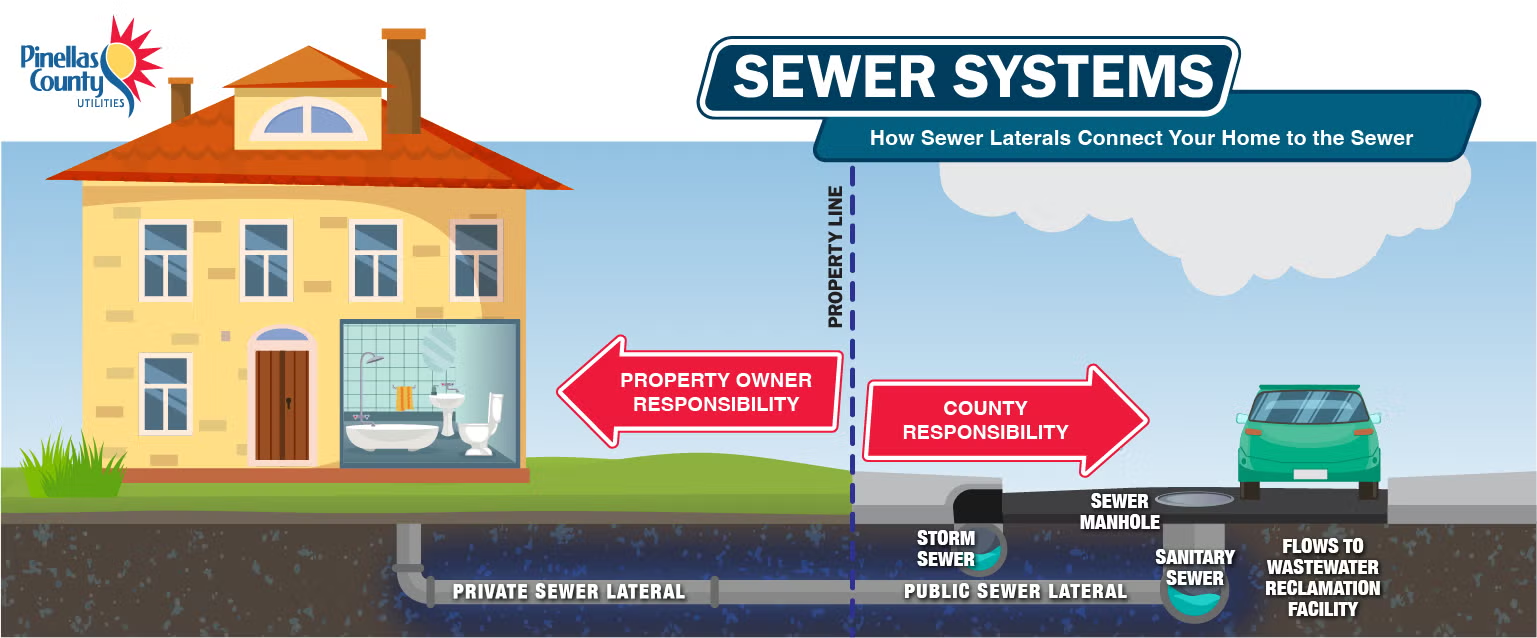
  • Lateral Line (Private Side): This is the pipe that connects a home’s plumbing to the City’s sewer system. It runs from the house to the edge of the homeowner’s property and continues to where it connects with the City’s infrastructure.
  • Lateral Line (Public Side): Once the lateral line crosses into the public right-of-way—whether that’s an easement, alley, or under the street—it becomes the City’s responsibility.
  • Main Sewer Line: This is the large pipe that collects wastewater from multiple homes and businesses and transports it to the City’s treatment facility. The City is fully responsible for maintaining and repairing the main line.

How Sewer Laterals Connects Your Home to the Sewer

Homeowner vs. City Responsibility

Despite what the City may claim when denying a sewer backup or damage claim, Oklahoma law is clear:

  • Homeowners are responsible for the lateral line on their property. This means that if a blockage or break occurs in the portion of the lateral that is within the homeowner’s yard, driveway, or under their house, the homeowner must pay for repairs.
  • The City is responsible for the lateral line in the easement or under the street. Once the lateral extends beyond private property into a public right-of-way, the City must maintain and repair it. This also means that if a blockage occurs in this section, the City—not the homeowner—is responsible.
  • The City is responsible for the main collection line. Any damage or blockage in the main sewer line falls squarely on the City.

Why This Matters:

Many homeowners assume that if sewage backs up into their home, the City will take care of the problem. Unfortunately, Cities frequently deny responsibility, even when the issue is in the portion of the lateral they are legally required to maintain. This can leave homeowners fighting an uphill battle to get their damages covered.

If you experience a sewer backup, it’s important to investigate the cause. A professional plumber can use a camera inspection to determine whether the issue is in your private lateral or the public section. If the blockage is in the City’s portion, you may have legal grounds to seek compensation for damages.

At Oklahoma Sewer Lawyers we help homeowners hold Cities accountable when they neglect their responsibilities. If you’ve experienced a sewer backup and believe the City is at fault, contact us to discuss your legal options.

Office Phone: (405)-604-5577

Email: oksewerlawyers@gmail.com

https://sewerlawyers.com/wp-content/uploads/2026/07/Revised-PCSW_Sewer-Lateral-Lines-7_6_22.avif 638 1537 Kneely Buxton https://sewerlawyers.wpengine.com/wp-content/uploads/2022/09/265942136_1500923250291212_5401206537950737396_n-e1663788876790.png Kneely Buxton2026-07-01 15:47:492026-07-01 15:47:39Sewer Education: How Does A Sewer Line Actually Work?

Know The Laws: Denied Claim? Don’t Worry

July 1, 2026/in Know The Laws/by Kneely Buxton

What Happens If the City Denies Your Sewer Backup Claim?

Receiving a denial letter from a city after filing a sewer backup claim can be frustrating. After documenting the damage, completing a Notice of Tort Claim, and waiting through the claims process, many homeowners assume that a denial means their case is over.

In many situations, that is not the case.

A municipality’s decision to deny a claim during the pre-litigation process does not necessarily mean it cannot be held legally responsible. Rather, it often marks the beginning of the next stage of the legal process.

A Denied Claim Is Not the Final Decision:

Cities and their insurance carriers routinely evaluate and respond to claims filed against them. A denial simply means the municipality has chosen not to voluntarily resolve the claim during the administrative process.

Depending on the facts of the case and the applicable law, homeowners may have additional legal options available after a denial.

Why Are Claims Denied?

Every claim is different, but municipalities may deny claims for a variety of reasons, including:

  • Disputes regarding the cause of the sewer backup
  • Allegations that the municipality was not negligent
  • Questions regarding the extent of the damages
  • Procedural or legal defenses
  • Disagreements regarding liability

A denial does not automatically mean these positions are correct. It simply reflects the municipality’s position at that stage of the claims process.

The Importance of Legal Representation:

Claims involving municipal sewer backups often require a thorough investigation. Determining the cause of the backup may involve reviewing maintenance records, consulting with engineers, evaluating inspection reports, and preserving evidence related to the incident.

An experienced attorney can help evaluate whether the municipality’s denial is supported by the facts and advise homeowners regarding the next steps available under Oklahoma law.

Real Results:

At Oklahoma Sewer Lawyers, we have represented homeowners throughout Oklahoma who were initially told that the city was not responsible for their sewer backup.

For example, in 2020, our clients were informed by the City of Durant that it denied responsibility for a sewer backup that caused extensive damage to their home. Rather than accepting that decision, our attorneys continued to investigate the case and pursued the matter through trial. The jury ultimately returned a $400,000 verdict in favor of our clients.

While every case is unique and past results do not guarantee future outcomes, this case illustrates that a denial from the city is not always the final word.

Contact Oklahoma Sewer Lawyers:

If your municipal sewer backup claim has been denied, do not assume your legal options have ended. The attorneys at Oklahoma Sewer Lawyers can evaluate your claim, explain your rights, and help determine the appropriate next steps.

Office: (405) 604-5577

Email: oksewerlawyers@gmail.com

https://sewerlawyers.wpengine.com/wp-content/uploads/2022/09/265942136_1500923250291212_5401206537950737396_n-e1663788876790.png 0 0 Kneely Buxton https://sewerlawyers.wpengine.com/wp-content/uploads/2022/09/265942136_1500923250291212_5401206537950737396_n-e1663788876790.png Kneely Buxton2026-07-01 15:29:492026-07-01 15:29:02Know The Laws: Denied Claim? Don’t Worry

Protect Yourself: Is Your Sewer System About To Fail?

July 1, 2026/in Protect Yourself/by Kneely Buxton

Signs Your Sewer Line May Be About to Fail and How to Protect Yourself:

One of the best ways to protect your home from a sewer backup is recognizing the warning signs before a major problem occurs. While some sewer backups happen without warning, many homes experience early symptoms that indicate a blockage, damaged sewer line, or developing issue within the plumbing or municipal sewer system.

If you notice any of the following warning signs, it’s important to have the problem evaluated as soon as possible

Common Warning Signs:

  • Slow drains throughout multiple areas of the home
  • Toilets that frequently clog or flush slowly
  • Gurgling sounds coming from sinks, bathtubs, or toilets
  • Water backing up into showers or tubs when another plumbing fixture is being used
  • Persistent sewage odors inside or outside the home
  • Standing water near sewer clean-outs or access points
  • Wet, sunken, or unusually green areas in the yard
  • Multiple plumbing fixtures backing up at the same time

6 Signs You Could Have A Sewer Backup

What Do These Signs Mean?

Some of these warning signs may indicate a problem within your home’s private sewer line, while others could be the result of a blockage or failure within the municipal sewer system. Determining where the problem originated is an important first step in identifying the appropriate course of action.

A licensed plumber can often help determine whether the issue is located within your private sewer line or the city’s sewer infrastructure. If you think the city may be responsible, please contact a profession lawyers, such as Oklahoma Sewer Lawyers. 

Protect Yourself:

If a sewer backup occurs, document the damage immediately. Take photographs and videos of the affected areas, damaged belongings, and any visible sewage. It is also helpful to record the date and time the backup occurred, the warning signs you noticed beforehand, and any conversations with city employees, plumbers, or restoration companies.

This information may become important when filing an insurance claim or evaluating whether the backup originated within the municipal sewer system.

When to Seek Legal Guidance:

If you believe your sewer backup may have been caused by a failure within the municipal sewer system, Oklahoma Sewer Lawyers can help you understand your legal rights and evaluate your potential claim. It is important to know the signs early on in order to protect yourself and your family! If you have any questions please contact us today! 

Office: (405) 604-5577

Email: oksewerlawyers@gmail.com

https://sewerlawyers.wpengine.com/wp-content/uploads/2022/09/265942136_1500923250291212_5401206537950737396_n-e1663788876790.png 0 0 Kneely Buxton https://sewerlawyers.wpengine.com/wp-content/uploads/2022/09/265942136_1500923250291212_5401206537950737396_n-e1663788876790.png Kneely Buxton2026-07-01 15:17:222026-07-01 15:15:02Protect Yourself: Is Your Sewer System About To Fail?
Page 1 of 41234

Search Blog Posts

Search Search

Categories

  • Client Success Stories (17)
  • Firm News (2)
  • Know The Laws (8)
  • Media Coverage (2)
  • Protect Yourself (9)
  • Sewer Education (5)

Tags

#1LawyerInThe2Business (40) #ClientSuccessStory (11) #ClientSucessStory (2) #ClientTestimonial (1) #Community (1) #FirmNews (2) #GiveBack (1) #KnowTheLaws (8) #MediaCoverage (2) #Oklahoma (2) #OklahomaSewerLawyers (42) #OurCaseHistory (1) #ProtectYourself (10) #SewageFacts (1) #SewageLaw (1) #SewerBackup (3) #SewerSystemEducation (5) Client Testimonial (4) Law Center (2)

Subscribe to Blog via Email

Enter your email address to subscribe to this blog and receive notifications of new posts by email.

Follow us on Facebook


OKLAHOMA CITY OFFICE

511 Couch Drive, 3rd Floor

Oklahoma City, OK 73102


PHONE & FAX

Toll Free: 1-888-2-OKSEWER

Fax: (405) 604-5578

JIM (3)
© Copyright - Sewer Lawyer - Enfold WordPress Theme by Kriesi
  • Link to Facebook
  • Link to LinkedIn
  • Link to TikTok
  • Link to Youtube
  • Link to Instagram
  • Do I Have A Case
  • Law Center
  • Contact
  • Buxton Trial Lawyers
Scroll to top Scroll to top Scroll to top